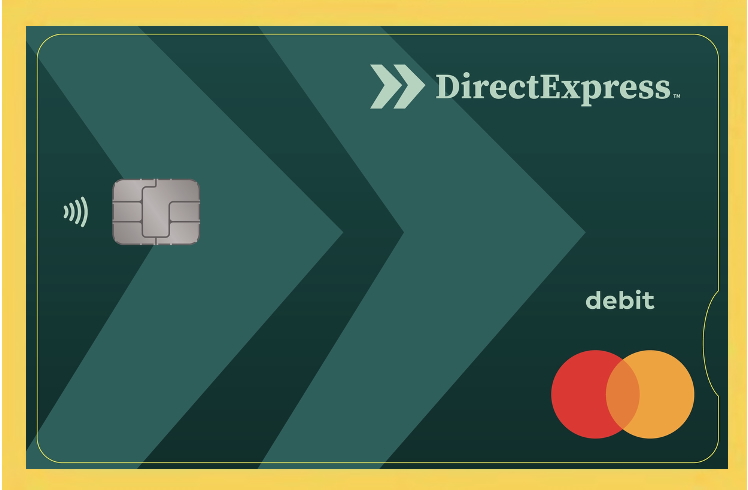
Alongside the financial capability inherent in possession of a network branded prepaid debit card, Direct Express® looks to build cardholder financial capability and literacy though the Direct Express Financial Education Center (DEFEC). Though this is specifically intended to enhance the financial capability of cardholders, it is far from the only government resource available to those seeking to improve their financial literacy and ability to manage their financial affairs effectively. Several other federal government programs are available, alongside a number of state programs. Some of the main ones are listed below:
FINANCIAL LITERACY AND EDUCATION COMMISSION (FLEC)
 We have written about the FLEC here before. It is a multi-agency federal commission tasked with coordinating financial education efforts across government, developing national strategy, and publishing reports and research on financial capability.
FLEC runs the central federal portal for financial literacy resources, MyMoney.gov, plus a number of other useful tools. MyMoney.gov compiles numerous federal resources relating to financial decision-making during major life events and interactive tools, including online financial planning calculators and budgeting worksheets. MyMoney.gov is available in English and Spanish.
Complementing this core offer, FLEC’s Higher Education Financial Education Resources Updates – 2023 provide useful information for financial education program leaders, teachers, financial aid professionals, and students.
FLEC also provides Best Practices for Financial Literacy and Education at Institutions of Higher Education. This report provides recommendations for higher education institutions to deliver effective financial literacy education and resources to help students make informed decisions and avoid pitfalls associated with financing education.
Rounding out FLEC’s suite of resources is The FLEC’s Resource Guide for Financial Institutions Incorporating Financial Capability into Youth Employment Programs. This is aimed at financial institutions interested in enhancing youth financial capability. It maps how and why financial institutions can engage in helping young people achieve greater financial well-being and employment success.
CONSUMER FINANCIAL PROTECTION BUREAU (CFPB)
 Though the Consumer Financial Protection Bureau is primarily responsible for implementing and enforcing federal consumer financial law and ensuring that markets for consumer financial products are transparent, fair, and competitive, it also provides financial education tools and materials for consumers and educators, including the Your Money, Your Goals toolkit to help individuals set goals and understand financial products.
The toolkit includes: 43 tools and handouts, easy-to-follow directions so individuals can use tools confidently, and recommendations on which tools to use based on the situation and time available.
FEDERAL DEPOSIT INSURANCE CORPORATION (FDIC)
 The FDIC is responsible for maintaining stability and public confidence in the nation’s financial system. As part of this it provides the Money Smart program aimed at helping people of all ages enhance their financial skills and create positive banking relationships. Money Smart was first released in 2001 and has been regularly updated since then.
Notable among these resources are 14 interactive games and related resources on financial topics and a guide for parents/teachers wishing to organize a “Reality Fair” a simulation of an adult’s financial life that provides youth with an interactive experience for making real world financial decisions and managing money.
US DEPARTMENT OF LABOR (OFFICE OF DISABILITY EMPLOYMENT)
 Perhaps of particular interest to the many Direct Express® cardholders who receive disability benefits, are the financial capability resources offered by the Department of Labor specifically for disabled individuals. Centered on the Securing Your Financial Future Toolkit the resources guides people with disabilities to strive for or maintain employment and achieve financial stability.
Organized around five stages of the employment lifecycle – starting a job, maintaining a job, changing or losing a job, or planning for retirement – the toolkit provides best practices and resources to address common financial concerns during each stage.
NATIONAL GOVERNOR’S ASSOCIATION (NGA)
 Many if not most US states run their own government financial capability and literacy programs, often tailored to the perceived specific needs of state populations.
In 2024 the National Governors Association took upon itself to establish an aggregator for federal, state, and locally available Resources for Financial Literacy. This is a comprehensive listing of resources and is available via an interactive map or a downloadable PDF.
SOURCE: VARIOUS (Direct Express®)